
Empowering agents to sell the wonders of Laos
The New Year brings new travel awareness about the ‘Land of a Million Elephants.’
Asian Trails is raising the profile of Laos through targeted communications, equipping travel agents with the insights and tools they need to promote the country to potential travellers.
This includes a three-part webinar series, with English language sessions beginning on 25 February 2026 and French language sessions starting on 26 February 2026. Additional sessions will be held in March and April, providing a comprehensive overview of Laos and highlighting Asian Trails’ diverse range of products.
Agents who participate in the webinar series will have the opportunity to join a FAM trip in Laos this year, with all local expenses covered by Asian Trails Laos, excluding international flights.

Mekong Sun River Cruise
The country’s cultural riches and spectacular landscapes offer visitors an authentic Asia – one without the rapid modernisation seen in neighbouring nations.
Laos is famed for its mountainous terrain, deep Buddhist spirituality, colourful hill tribes and waterfall-dotted wildernesses framed by majestic mountain ranges.

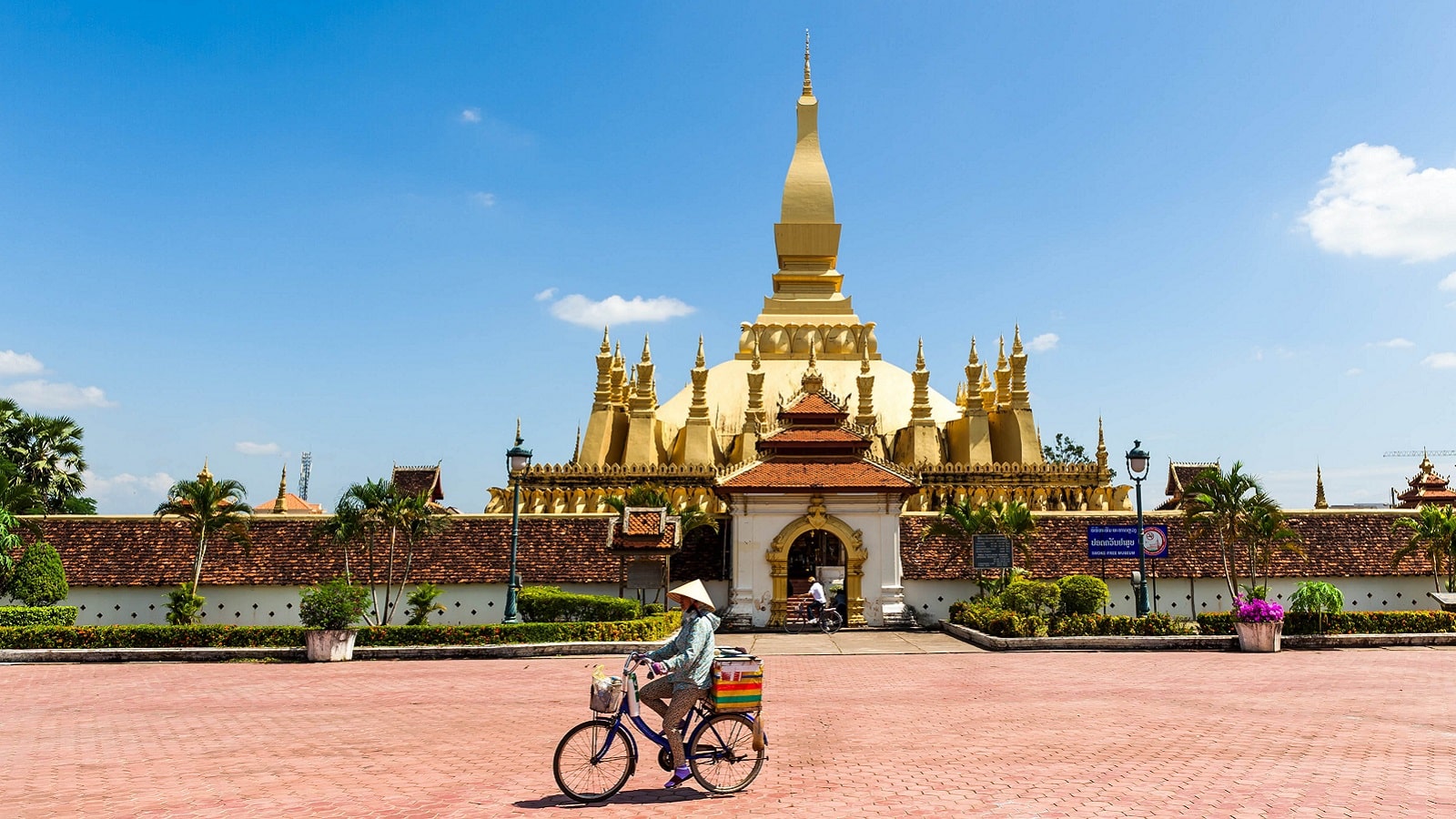
The capital, Vientiane, boasts French colonial villas alongside ornate Buddhist temples on the banks of the Mekong River. Luang Prabang has beautiful UNESCO-acclaimed architecture from its time as a former royal capital, including a stately palace and 33 temples in close proximity.
Luang Namtha is the premier destination for trekking among hill tribes amid its lush, verdant countryside. Phonsavan is home to 300 mysterious giant jars carved out of stone.

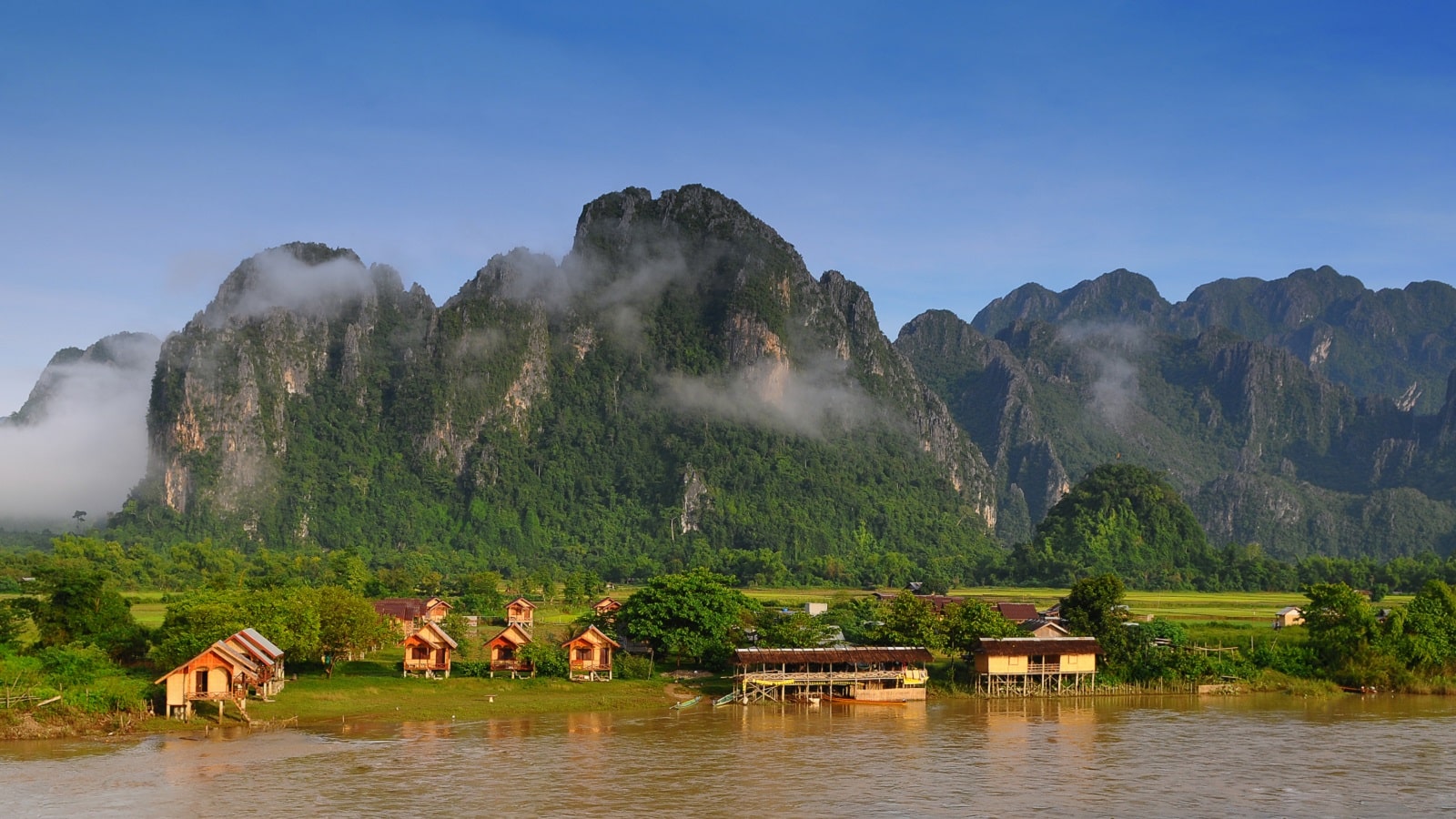
Vang Vieng features a jurassic-style landscape of towering limestone karsts – the perfect backdrop for eco-adventures such as rock-climbing, trekking, cycling and kayaking.
Champasak is home to 11th century Wat Phou, also known as the ‘Mountain Temple’ – one of the best-preserved examples of Khmer architecture in the country.

Getting to these destinations may once have seemed difficult, as Laos had fewer flight connections, but access has become much easier in recent years.
Lao Airlines operates two non-stop flights daily between Bangkok and Vientiane. AirAsia runs a daily Hanoi–Luang Prabang service as part of its Bangkok–Luang Prabang–Hanoi route, while Bangkok Airways provides a daily non-stop connection between Bangkok and Luang Prabang. Additionally, Scoot and Vietnam Airlines operate flights to Laos from Singapore and Vietnam, respectively.
Once airborne, the flight into Luang Prabang is one of the most scenic in the world, with jungle-clad peaks rolling like waves beneath you as the plane descends.
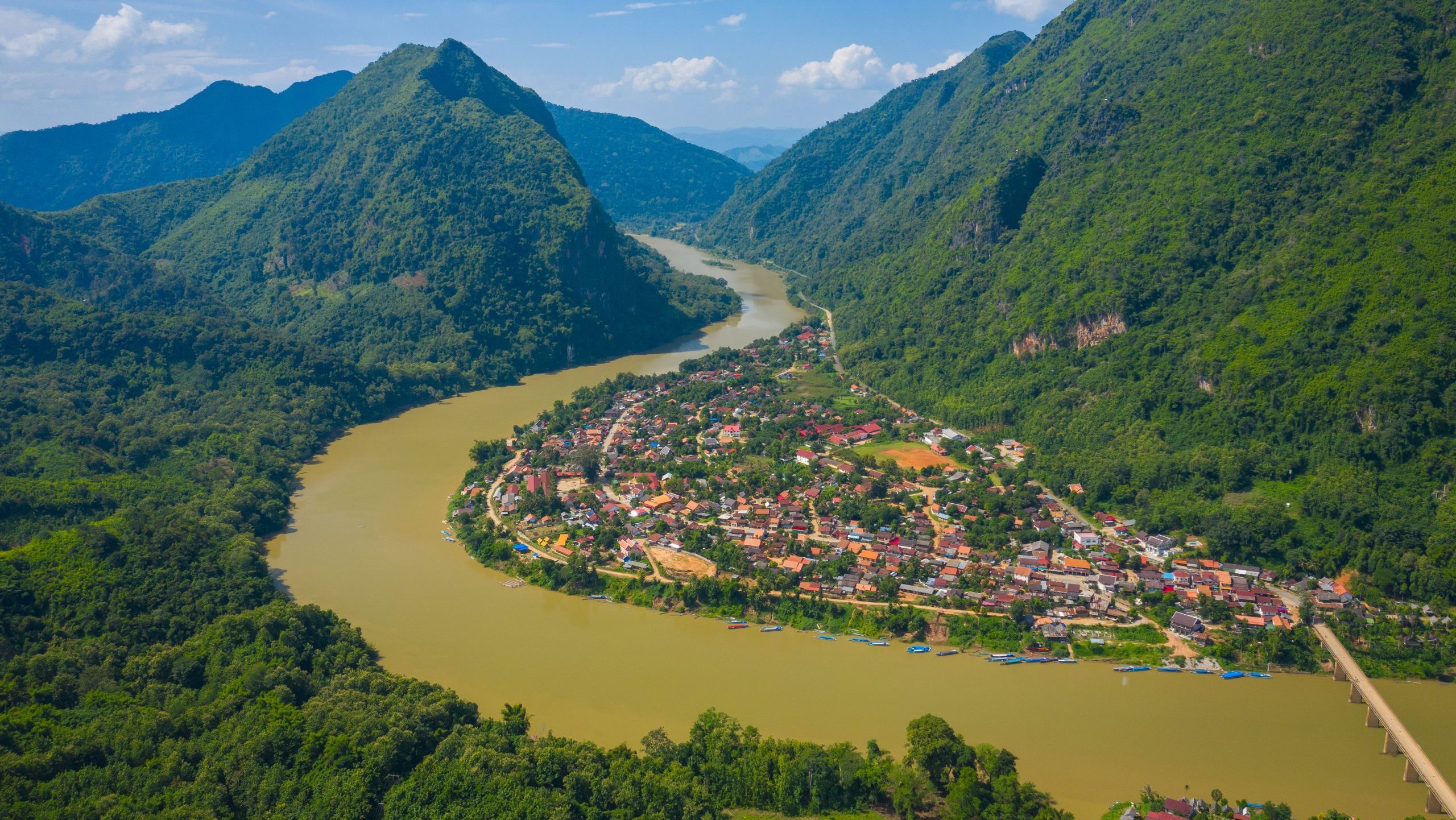
Beyond improved flight links, the China–Laos Railway has transformed the country from landlocked to land-linked. Its 414-km section within Laos connects Boten to Vientiane, stopping at key tourism hotspots including Luang Namtha, Luang Prabang and Vang Vieng.
Although the highway infrastructure is less developed than in other countries, the meandering roads that wind through mountain passes and into small villages offer unique panoramas, with the added bonus of impromptu stops in charming locations for meaningful interactions with friendly locals.

Though resident tour guides may not have the experience of their counterparts in Thailand or Vietnam, many are deeply knowledgeable, extremely proud of their culture and communicate with sincerity without rehearsed scripts.
Likewise, hotel staff display heartfelt enthusiasm and a refreshing absence of ‘tourist fatigue’ in their service.
Tourists seeking exotic destinations with balmy beaches may be surprised to discover Laos’ remarkable Mekong archipelago known as the ‘4,000 Islands.’ This area offers plenty of sandy spots to lounge and watch the sunset with a cold drink in hand. The more adventurous can kayak at dawn through the morning mist, drifting past fishermen and golden temples.

La Folie Lodge, Champasak
While the nation lacks large-scale hotels, many see this as a hidden charm – there are no tour buses blocking the exteriors of temples and no cruise ships emptying boisterous crowds into narrow streets.
The accommodation options range from charming family-run guesthouses to stylish boutique hotels, offering comfort and excellent value for money. In Luang Prabang and Vientiane, beautifully restored heritage buildings have been transformed into intimate hotels with traditional wooden architecture and lush courtyards, backed by signature Lao hospitality.

Satri House, Luang Prabang

Settha Palace, Vientiane
Outside these two destinations, the choices are more modest, yet simplicity often translates into inimitable stays – bamboo bungalows with mountain views, stilt houses strung with hammocks and thoughtfully designed eco-lodges. In a world obsessed with luxury, Laos offers a compelling alternative: peace and serenity.

Namkat Yorla Pa, Oudomxay
For those seeking more refinement, riverside resorts and eco-lodges blend modern amenities with tranquil natural surroundings, showcasing mountain views, tropical gardens and pools.

The River Resort, Champasak
Tourists craving glitzy shopping and lively nightlife will be pleasantly surprised by Laos’ easy-going vibe – neon lights and blaring bars are replaced by night markets lit by soft lanterns. Visitors can purchase handwoven textiles, silver jewellery and handicrafts skilfully fashioned through age-old practices.
Slow tourism in Laos is about immersion in the country’s gentle pace of life, taking time to appreciate its serene landscapes, deeply rooted traditions and warm, unhurried way of life.
Instead of rushing between attractions, travellers can linger in riverside towns, enjoy cycling trips and connect with local communities through crafts, food and nature-based experiences.

The benefits are wide-ranging: tourists gain meaningful encounters, locally owned businesses receive sustainable income and the environment is protected through reduced pressure from high-volume, fast-paced tourism.
Although less famous than the dishes of its regional neighbours, Laos’ cuisine is one of South-East Asia’s best-kept secrets – deeply flavourful and surprisingly inexpensive. Diners experience a balance of simplicity and intensity.
Whether opting for street-side noodles for just a few dollars or sharing a family feast in a homestay, the quality-to-price ratio is exceptional.

For wellness, visitors can exercise in riverside yoga studios or meditate in ancient temples. Many boutique lodges and eco-resorts incorporate spa treatments, farm-to-table cuisine and holistic well-being programmes – all at a fraction of the cost in neighbouring countries.
Asian Trails’ Business Development Manager Saita Kiatikhema – who will lead the webinar series – said: “Improved air links and the China-Laos Railway have made the country more accessible than ever, yet Laos retains its greatest luxury – space, tranquillity and authenticity.
“With excellent value accommodation, delicious cuisine, heartfelt service and opportunities for eco-adventure, the country delivers a gentler, more sustainable style of travel that benefits visitors, communities and the environment alike.
“All of these qualities make Laos an ideal destination for agents to promote, and the webinar series will equip them with the knowledge to highlight its slower-paced charm to travellers.”
Ready to learn more? Register below to join the webinar.